Welcome to Coastel Cable Tools
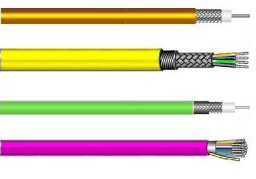
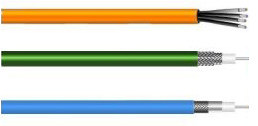
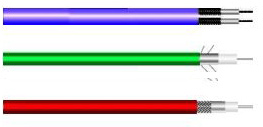
Coastel Designs and Manufactures Tools and Equipment for Stripping Any Type of Cable or Wire
Coastel Cable Tools designs and manufactures the equipment you need for stripping any type of cable or wire. Our Research and Development Engineering team is continuously developing products to provide solutions for a wide range of industries, including:- Communications
- RF
- Avionics
- Microwave
- OEM’s
- Audio
- Video
We have a solution for any cable or wire stripping need!
- CUSTOM COAXIAL CABLE STRIPPERS
- TRIAXIAL CABLE STRIPPER
- PRE-FORMED SEMI RIGID CABLE TOOLS
- TWINAXIAL CABLE
- BENCH TOP CABLE STRIPPERS
- SEMI RIGID CABLE
- MICRO COAX
- CONFORMABLE COAX
- DS3 TELECOMMUNICATIONS TOOLS
- MIL-SPEC CABLES
- CUT OFF SAW
- ETHERNET
- THINNET
- CORDAGE
- CORD SETS
- AWG STRANDED WIRE
- SOLID CONDUCTOR WIRE
- HOOK-UP WIRE
- MULTI CONDUCTOR WIRE
- CRIMP TOOLS
- CRIMPING MACHINE
- PORTABLE CABLE STRIPPERS
- BATTERY POWERED CABLE STRIPPERS
- AVIONICS TOOLS
- and more…
and more…
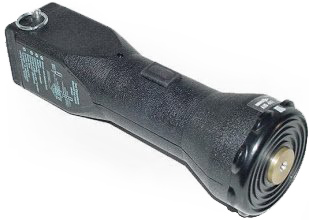
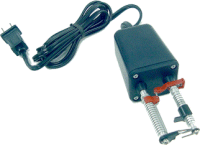
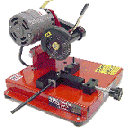
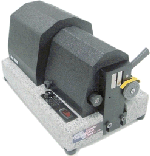
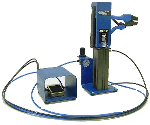
At Coastel Cable Tools, we pride ourselves on our precision equipment that is not only reliable and maintenance-free but is also affordable! We aim to keep costs down for our customers so they can afford the best without going over budget. You can also rest assured that all of our cable tools are proudly made in the USA.
Let’s talk! Contact us at 1-315-474-4707.
We have a solution for any cable or wire stripping need!